Middle-earth
Where myth bleeds into memory, and one small act decides the fate of the world.
Middle-earth stands as the central continent of Arda, the crucible where the legends of the Third Age were forged. It is a realm where magic clings to ancient roots in hidden valleys while Men build fleeting kingdoms upon the plains. This vast expanse binds disparate peoples—from the quiet Shire Hobbits to the timeless Elves of Lothlórien—through shared struggles against an encroaching shadow. Though often imagined as a distant fantasy world, it represents a mythic past of our own Earth, shaped by songs sung before time began. Its geography reflects the history of conflict and peace, acting as both a sanctuary for the Free Peoples and a battlefield for the fate of all life within its bounds.
- Creator
- Eru Ilúvatar (shaped by the Valar)
Lore & Background
Middle-earth was formed by Eru Ilúvatar through the Music of the Ainur, with the Valar entering Arda to shape and order it rather than creating it directly. Originally a flat world, it was reshaped into a sphere following the cataclysmic Downfall of Númenor. Throughout its history, it has witnessed the rise and fall of mighty kingdoms such as Arnor, Gondor, and the Elven realms of Eregion; while Lindon persisted into the Fourth Age before the Elves departed, it did not 'fall' in the same manner as Arnor or Eregion. These civilizations were often driven by the desire to resist the shadow of Morgoth in the First Age or Sauron in later ages.
The land itself is imbued with memory; rivers remember old songs, and mountains hold secrets from days before men walked openly. Magic here is not a tool but an intrinsic part of nature, fading slowly as the age progresses. The presence of the Valar is distant, yet their influence remains through the shaping of the world and the protection offered by hidden havens like Rivendell where time flows differently.
Ultimately, Middle-earth serves as the bridge between mythic antiquity and the modern world of Men. It is a place where the divine and mortal intersect, where small acts of courage can alter the course of history, and where the beauty of nature stands in eternal contrast to industrial corruption.
In Their Own Story
Across its rolling fields and jagged peaks, Middle-earth holds the memory of every battle fought upon it. From the quiet roads of Bree to the volcanic fires of Mordor, the land itself bears witness to the War of the Ring. Here, peace is but a breath between storms; beyond every ridge, an ancient darkness waits, patient and enduring.
Reader's Guide
Middle-earth serves as the primary continent where the saga unfolds during the Third Age.
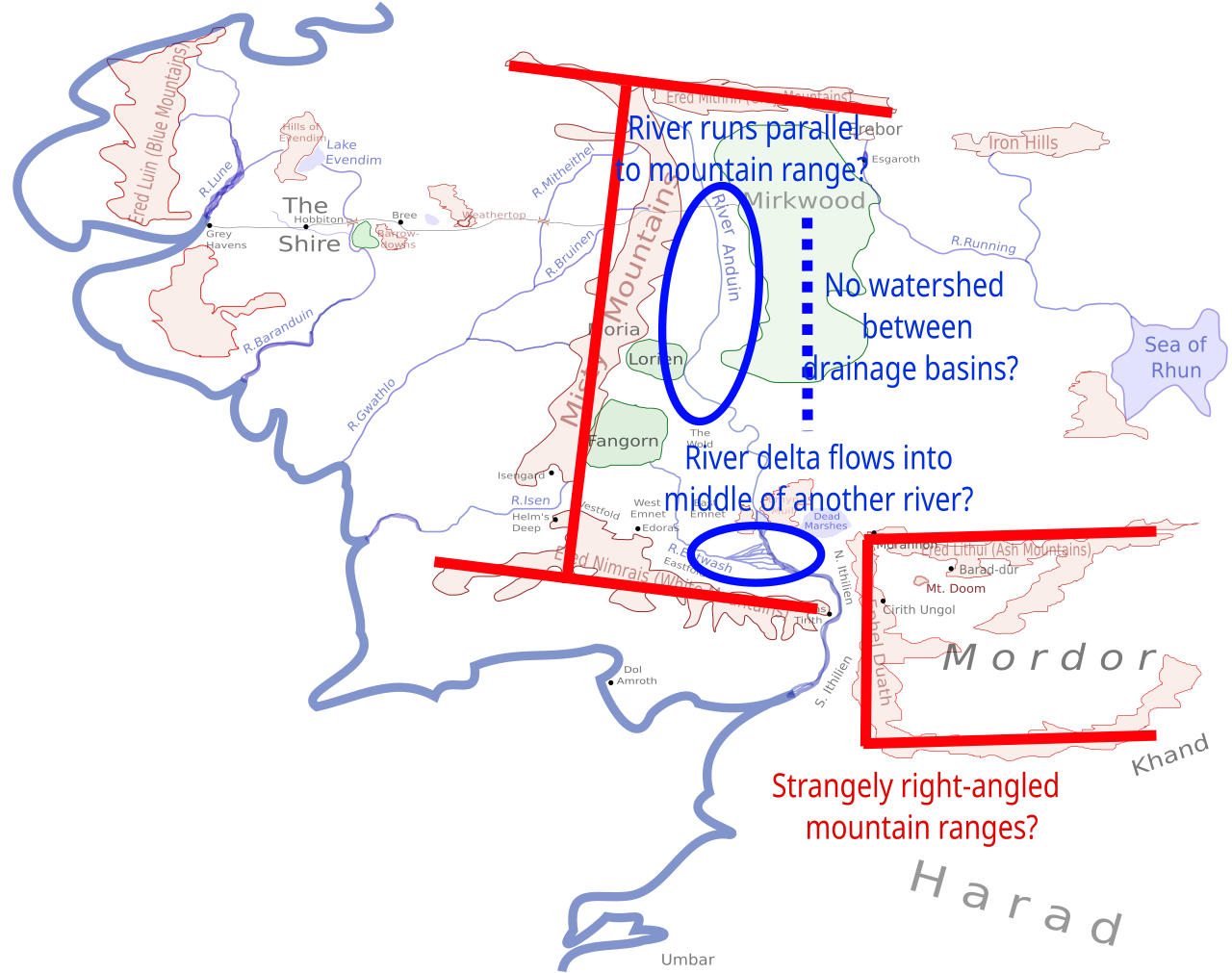
It encompasses vast regions from the pastoral Shire to the volcanic slopes of Mordor, each holding distinct cultures and deep histories. The land itself reacts subtly to the struggle between good and evil, with nature often aligning with the Free Peoples or Sauron’s corrupt influence depending on the tide of war.
Its role in the narrative is absolutely central; the fate of this entire world hangs precariously on the destruction of the One Ring. Without its preservation, all life within it would fall permanently under a crushing shadow. Travelers must navigate treacherous paths like the Mines of Moria or the haunted Dead Marshes while seeking refuge and allies in hidden havens such as Rivendell, where ancient magic holds back the coming storm.
Did You Know?
- The name 'Middle-earth' translates linguistically to 'Midland', referring to the habitable world between seas.
- Tolkien intended this setting as a mythological prehistory for England and Europe.
- The continents were physically reshaped from flat to round after the destruction of Númenor.
- Hobbits are rarely mentioned in ancient texts, appearing prominently only during the Third Age.
Gameplay Mechanics and Factions
This real-time strategy title tasks players with managing resources and constructing military outposts on specific building plots across the map. Unlike many contemporaries, it utilizes a single nebulous resource generated endlessly by dedicated structures. Four distinct factions engage in conflict: Rohan and Gondor represent the Free Peoples, while Isengard and Mordor lead the Forces of Darkness. Combat follows a rock-paper-scissors dynamic where cavalry outmaneuvers archers, pikemen counter horsemen, and swordsmen overcome pikes. Units gain experience to become stronger, with squads replenishing losses without losing rank after level two. Hero units stand out as unique, powerful entities like Gandalf or the Witch-king who possess elaborate abilities but cannot be upgraded. These heroes can often be resurrected if destroyed. Additionally, players access a special powers tree offering utility like vision or summoning creatures such as Eagles and Balrogs, which recharge indefinitely once unlocked.
Campaign Structure and Narrative
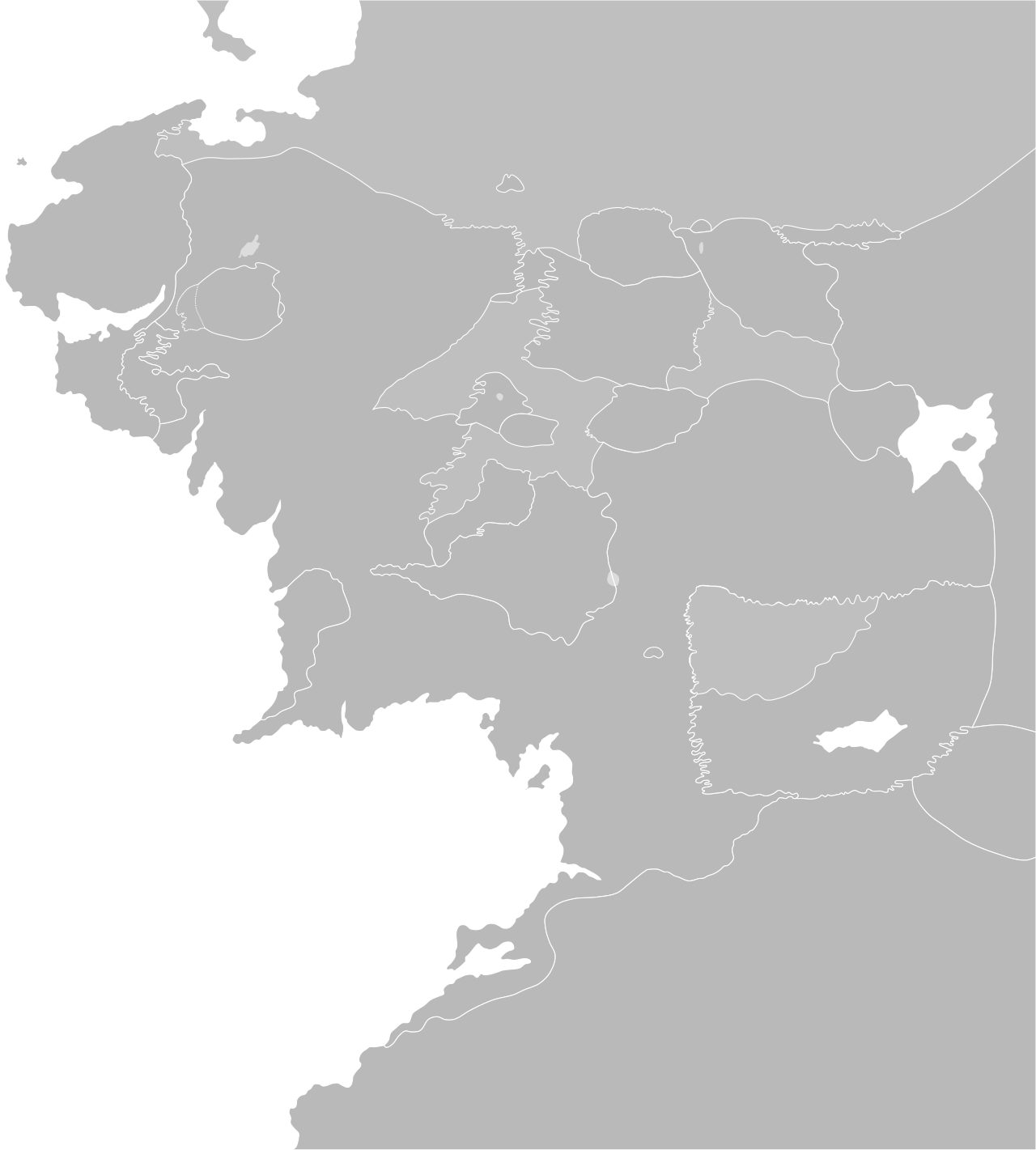
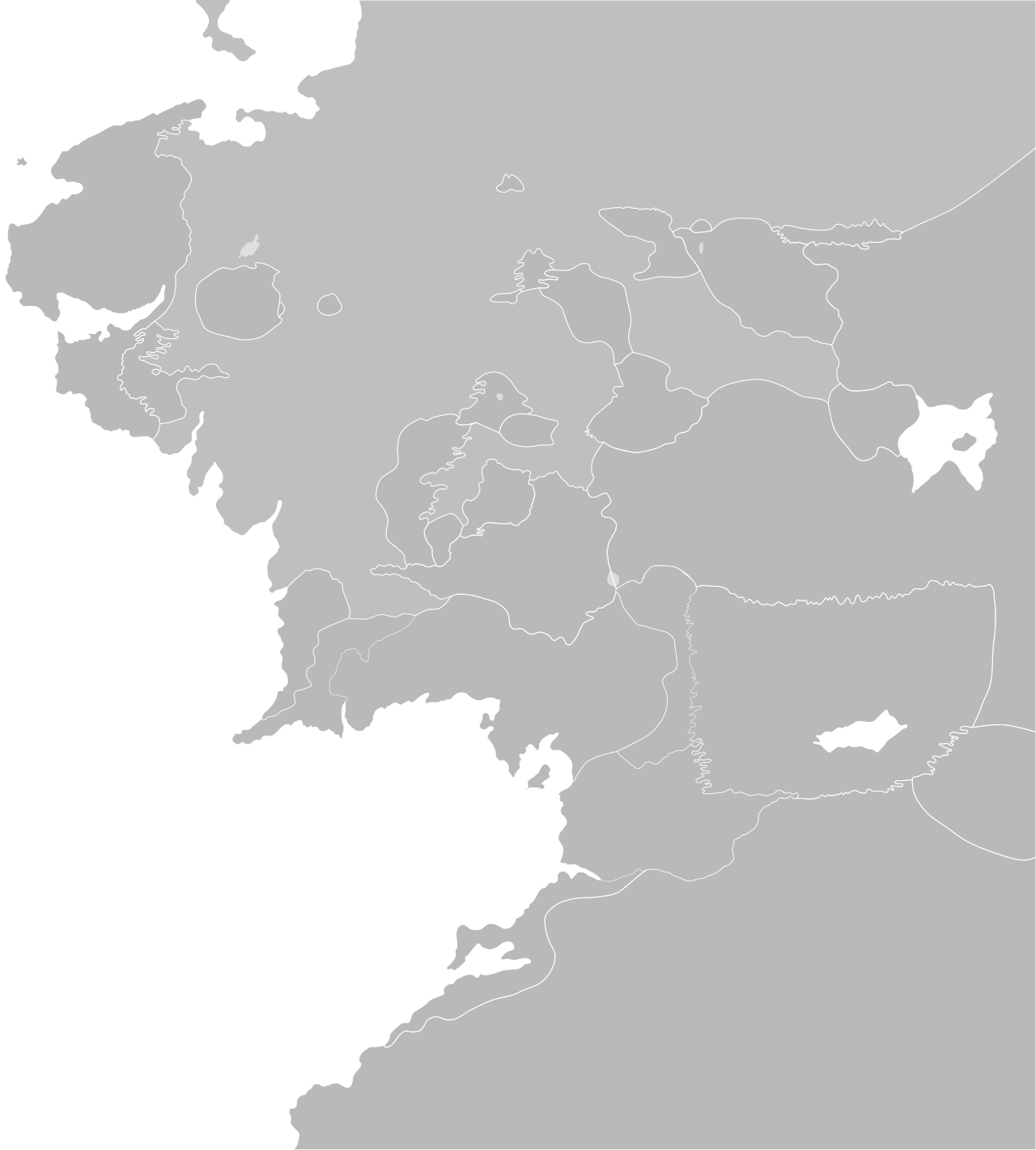
The narrative experience divides into two distinct campaigns situated upon a dynamic cartographic representation of the region. In the Free Peoples campaign, players follow the film trilogy's script through iconic locations like Moria and Helm’s Deep, culminating at the Black Gate. Conversely, the Evil campaign offers an alternate history where Saruman successfully conquers Rohan before Sauron destroys Minas Tirith for a total victory. Battles on the map represent territory control; capturing regions grants permanent bonuses to power points and unit limits. Between scripted missions, players engage in skirmish battles to secure necessary territories. Progression is persistent, meaning armies, upgrades, and purchased powers carry over from one engagement to the next. While battle cutscenes utilize the game engine, moving units on the strategic map triggers snippets of actual movie footage, blending cinematic history with interactive strategy.
Development Environment and Production
Audio design heavily relied on Howard Shore’s iconic film score, supplemented by original compositions from Jamie Christopherson and Bill Brown that mimicked Shore’s style. A dedicated soundtrack featuring twenty-two tracks was released digitally in August 2006. However, the production environment faced significant controversy regarding labor practices. Controversy arose from the intense working conditions, specifically described as extreme crunch time. Consequently, programmers initiated legal action against the publisher which concluded with a settlement of fourteen point nine million dollars in 2006. The game utilized the SAGE engine and incorporated voice acting from the original film cast, including wizards and hobbits, to maintain authenticity. Despite the internal turmoil regarding working conditions, the team successfully integrated movie clips into the interface. The project stands as a notable example of licensed adaptation where musical fidelity was prioritized alongside complex strategic mechanics during its creation phase at EA Los Angeles.
Release History and Longevity
Released in 2004 for Microsoft Windows, the title achieved significant commercial success, selling over one million units worldwide by that year's end. It served as the inaugural entry in a strategy series, followed by a sequel released on March 2, 2006. Electronic Arts terminated official online connectivity on the final day of 2010. This shutdown occurred due to the expiration of the video game license associated with the Lord of the Rings franchise. Despite the loss of official connectivity, the community has maintained online play through unofficial game servers. The game remains a benchmark for adapting high-fantasy literature into interactive strategy formats. Its legacy is defined by both its initial sales performance and the enduring interest in preserving multiplayer functionality after corporate licensing agreements expired, allowing fans to continue waging war across Middle-earth long after official support ceased.
Gallery

Frequently Asked Questions
What exactly is Middle-earth?
Middle-earth is the central continent of Arda, created by Eru Ilúvatar and shaped by the Valar to serve as the stage for the legends of our own mythic past. It represents a time where magic and history intertwine, acting as the primary setting for the struggles of the Third Age.
Who holds power over Middle-earth?
While Eru Ilúvatar is the ultimate creator, the Valar shape its physical form, though direct divine intervention is rare in later ages. Power within the continent itself is distributed among various races and corrupted by dark forces like Sauron, who seek to dominate it.
How does the story of Middle-earth conclude?
The era ends with the defeat of Sauron and the departure of the Elves, marking the beginning of the Age of Man. As magic fades from the world, the focus shifts entirely to human kingdoms, leaving the ancient legends as mere memory.
Why is Middle-earth significant beyond its fiction?
It serves as a mythic reflection of our own Earth's distant past, illustrating how small acts by humble individuals can determine the fate of entire worlds. The setting emphasizes that history is forged through the shared struggles and choices of diverse peoples against encroaching darkness.
How does geography reflect the world's history?
The landscape bears the scars of ancient conflicts and periods of peace, physically manifesting the rise and fall of kingdoms across the ages. From hidden valleys preserving old magic to plains built by fleeting human empires, every region tells a story of time's passage.